If you’re old enough to remember the TV show Bewitched, you probably remember the nosy neighbor Mrs. Kravitz. She was always spying on her neighbor from behind her curtain. While her character provided a lot of comic relief and was chided by her husband for doing so, the “Mrs. Kravitz” of the world can turn out to be a valuable community asset. You can’t build that kind of vigilance with brick, concrete, or even pretty landscaping. We’re not suggesting you should carry binoculars with you everywhere you go, but it is handy when neighbors notice when a package has been sitting on a porch for days, or when a neighbor usually walks their dog, or when the garage door has
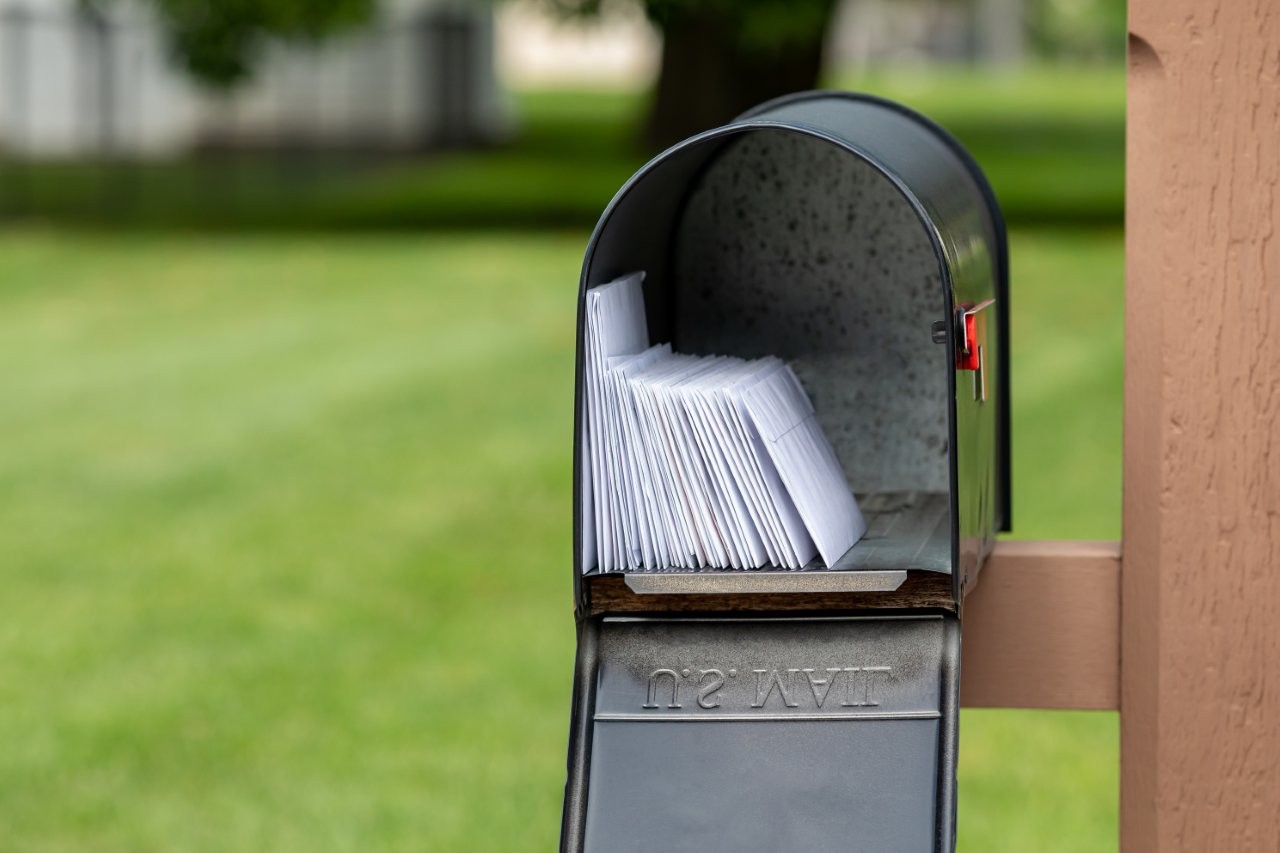
Summer is a season for road trips, amusement parks, beach visits, and taking it easy. But while you’re taking a break, identity thieves aren’t. And they know that when routines change, security habits often slip. Identity theft happens when someone uses your personal information, such as your Social Security number, bank information, credit card number, or online login, without your permission. While no one can prevent it completely because data breaches and scams are now part of modern life’s charming tech tradeoffs, but you can make yourself a much harder target. And why would thieves go hard when there are so many easy opportunities for the taking? 9 Ways to Minimize the Potential for Identity Theft Start with your mail.
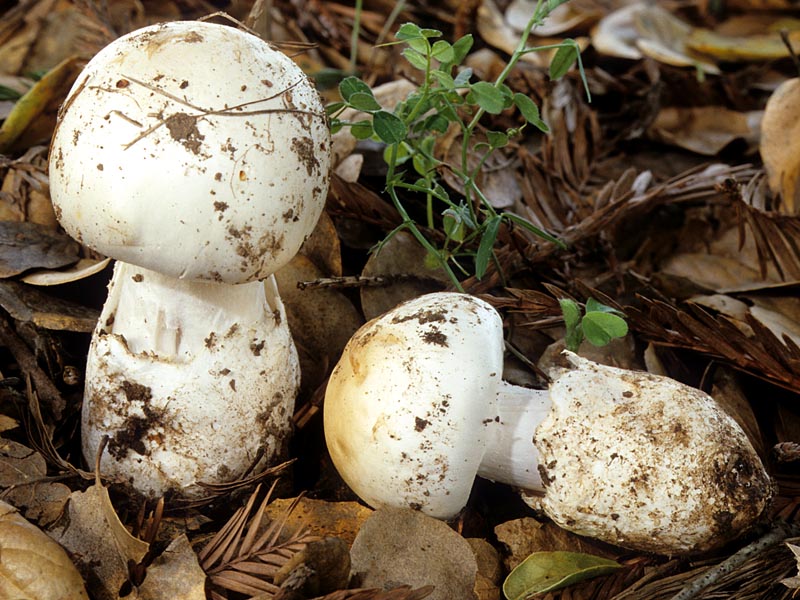
Winter rain is great for thirsty soil, happy trees, and that gorgeous greenery. But it’s also the time when mushrooms pop up overnight. In Alameda (and the wider Bay Area), a few of those mushrooms are not just “don’t touch” dangerous, but genuinely life-threatening for people and pets. California health officials have reported a major spike in severe poisonings tied to wild mushrooms this season, including deaths and liver transplants. If you’re new to the area, a dog-walker, a backyard cat household, or you have curious kids who love the wonders of the outdoors, this is an important heads-up. Why You’re Seeing More Mushrooms Right Now Many toxic mushrooms thrive in moist, shady environments, especially where tree roots hold moisture. In the East