

If you’re old enough to remember the TV show Bewitched, you probably remember the nosy neighbor Mrs. Kravitz. She was always spying on her neighbor from behind her curtain. While her character provided a lot of comic relief and was chided by her husband for doing so, the “Mrs. Kravitz” of the world can turn out to be a valuable community asset.
You can’t build that kind of vigilance with brick, concrete, or even pretty landscaping. We’re not suggesting you should carry binoculars with you everywhere you go, but it is handy when neighbors notice when a package has been sitting on a porch for days, or when a neighbor usually walks their dog, or when the garage door has unexpectedly been left open all day.
Those small observations may seem insignificant on their own, but together they create one of the most effective forms of neighborhood safety: neighbors looking out for one another.
Summer is an especially important time to put that mindset into practice.
Many residents travel during the warmer months. Some head out for extended vacations. Others spend weeks at second homes or visiting family. Homes that are normally full of activity may suddenly sit empty, making them more attractive to opportunistic criminals. Add the homeowner’s social media posts from exotic locales and you have an invitation to trouble.
That’s why “See Something, Say Something” isn’t just a TSA slogan. It’s one of the simplest ways every resident can help keep Harbor Bay safe.
The key is understanding what “something” actually means.
It doesn’t mean becoming suspicious of every unfamiliar face or assuming the worst. Our community is constantly welcoming visitors, contractors, delivery drivers, and guests. Most unusual activity has a perfectly reasonable explanation.
But there are occasions when behavior doesn’t seem to fit the situation.
For example:
- Someone repeatedly looking into parked cars or peering into windows.
- A vehicle slowly circling the neighborhood multiple times without an obvious reason.
- Someone attempting to open doors, gates, or mailboxes.
- Activity at a home that appears vacant, especially late at night.
- A garage door that’s been standing open for an unusually long time while no one appears to be home.
Sometimes the call you make confirms that everything is fine–a guest simply lost their key or a busy parents forgot to shut the garage. Other times, it prevents a theft, catches a crime in progress, or allows someone to contact a homeowner before a small problem becomes a much bigger one.
The same principle applies beyond potential crime.
If you notice a water leak running into the street, a fallen tree limb blocking a sidewalk, damaged lighting, or another maintenance issue in the common areas, reporting it quickly often prevents more expensive repairs later (or, even worse, an accident). Communities function best when residents share what they see instead of assuming someone else has already reported it.
Protecting Your Home
If you’re planning to travel this summer, there are also a few easy steps that can make your home less inviting to would-be thieves.
- Ask a trusted neighbor to collect newspapers or packages.
- Put interior lights on timers.
- Have someone occasionally park in your driveway or move your trash bins after collection day.
- Avoid announcing extended travel plans publicly on social media until you’ve returned home. A vacation photo is much more enjoyable after the trip than while you’re hundreds of miles away.
- Let a trusted neighbor know you’ll be away. Most people are happy to keep an eye on your property, just as you’d likely do for them.
Neighborhood watch isn’t like Mrs. Kravitz and spying. It’s simply about paying attention for the betterment of our community.
If you observe something that genuinely concerns you, don’t assume someone else will make the call. Report it to the appropriate authority or community security staff. Let trained professionals determine whether action is needed.
Most reports end up being routine. Occasionally, one turns out to be exactly the call that needed to be made.
Sure, strong communities have beautiful homes, well-maintained landscaping, and neighborhood events. But they also have residents who care enough to look out for one another. That’s why it’s important to get to know your neighbors.
In these busy times, it’s easy to drive straight into our garages and never make eye contact with anyone in the vicinity. But that type of action won’t help you when you need it..
While Harbor Bay prides itself on being a safe environment for everyone, remember safety is one of the few community amenities everyone helps create. A watchful neighbor, a quick phone call, or a simple act of awareness may be all it takes to protect a home, assist a neighbor, and keep Harbor Bay the welcoming place we all value.
continue reading
Related Posts
Summer is a season for road trips, amusement parks, beach visits, and taking it easy. But while you’re taking a break, identity thieves aren’t. And they know that when routines change, security habits often slip. Identity theft happens when someone uses your personal information, such as your Social Security number, bank information, credit card number, or online login, without your permission. While no one can prevent it completely because data breaches and scams are now part of modern life’s charming tech tradeoffs, but you can make yourself a much harder target. And why would thieves go hard when there are so many easy opportunities for the taking? 9 Ways to Minimize the Potential for Identity Theft Start with your mail.
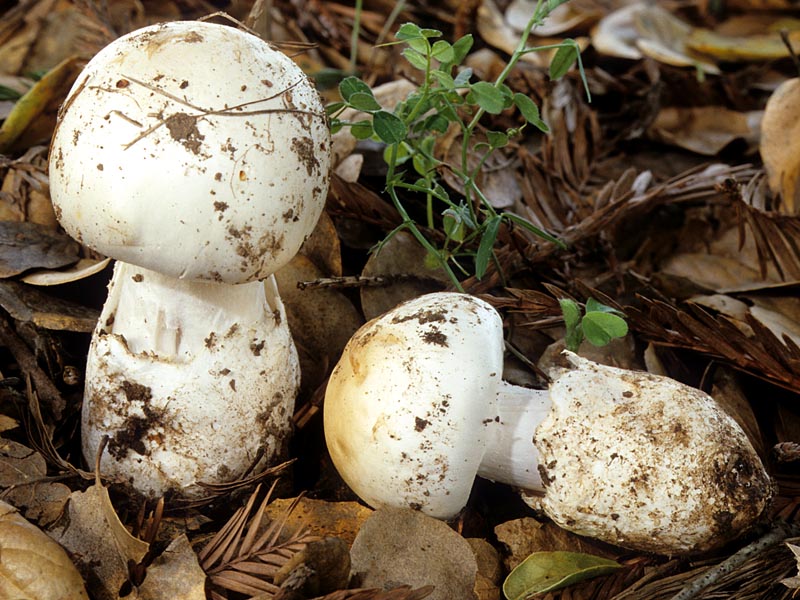
Winter rain is great for thirsty soil, happy trees, and that gorgeous greenery. But it’s also the time when mushrooms pop up overnight. In Alameda (and the wider Bay Area), a few of those mushrooms are not just “don’t touch” dangerous, but genuinely life-threatening for people and pets. California health officials have reported a major spike in severe poisonings tied to wild mushrooms this season, including deaths and liver transplants. If you’re new to the area, a dog-walker, a backyard cat household, or you have curious kids who love the wonders of the outdoors, this is an important heads-up. Why You’re Seeing More Mushrooms Right Now Many toxic mushrooms thrive in moist, shady environments, especially where tree roots hold moisture. In the East