

Before you get excited about your next home improvement—a new kitchen, a better driveway, a snazzy new roof, or maybe the outdoor space you’ve been imagining for years—know that while you’re getting a new space, your neighbors, however, get the noise, the trucks, and the dust. They’re also undoubtedly asking the daily question of “How long is this going to last?”
That doesn’t mean you shouldn’t improve your home. Strong neighborhoods are made up of people who take care of their properties, invest in their homes, and keep the community looking good.
But a little thoughtfulness before the work begins can make a big difference in how your project is perceived by the people around you. Plus, with many people working from home these days, your construction project could do more than wake someone with the annoying sound of a drill or nail gun. It could ruin an important call.
Being a good neighbor during a home improvement project requires communication, planning, and maybe a little something sweet.
 Let Neighbors Know Before Work Begins
If your project could affect nearby homes, traffic, or parking, give your neighbors a heads-up before the first truck arrives. This is especially important for roofing, tree removal, concrete work, major landscaping, exterior painting, fencing, additions, or anything that brings noise, dust, workers, equipment, or blocked access.
A simple note, text, or quick conversation is enough. Let them know the work being done, the expected start date, the general timeline, and who they can contact if there’s an issue. Ideally that person would be you but if you’d rather put them in touch with your project head you could but know that it might involve extra time not dedicated to the project.
This small courtesy helps neighbors feel informed instead of surprised. It also gives them a chance to plan around temporary inconveniences, such as moving a car, closing windows, adjusting work-from-home calls, or keeping pets inside during loud parts of the project.
Be Thoughtful About Parking and Access
Contractors, delivery trucks, dumpsters, trailers, and equipment can quickly take over a street if no one has considered parking. Before work begins, talk with your contractor about where workers should park, where materials will be dropped, and whether any equipment will block sidewalks, driveways, alleys, mailboxes, or street access.
Keep in mind that parked work trucks can also create safety problems
Ask workers not to park in front of neighbors’ driveways, block trash pickup, or create visibility issues at corners. If your street is narrow, busy, or already short on parking, this matters even more.
It’s also helpful to think about emergency access. Fire trucks, ambulances, utility crews, and school buses still need to get through. A home project shouldn’t turn the street into an obstacle course.
Communicate Noise Expectations
Construction is noisy. There’s no magical silent version of a saw you can pay workers more for them to use.
Still, you can reduce frustration by setting expectations.
Ask your contractor what days and hours crews plan to work. Make sure those hours follow local rules or community guidelines. Then share the general schedule with neighbors, especially if there will be particularly loud work like demolition, concrete cutting, roofing, tree trimming, or excavation.
If possible, avoid early-morning, late-evening, weekend, or holiday noise. Sometimes schedules are outside your control, but when you do have flexibility, use it. Your neighbors may have young children, older relatives, night-shift workers, remote meetings, pets, or health concerns that make constant noise more difficult.
A little notice for your neighbors doesn’t make the noise disappear, but it does make it easier for people when they know what to expect.
Have a Plan for Dust, Debris, and Cleanup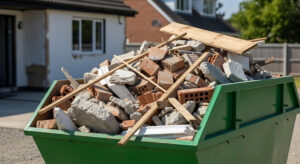
Dust and debris can travel farther than expected, especially on windy days. Before your project begins, ask your contractor how they plan to contain mess from demolition, cutting, sanding, soil work, roofing materials, or landscaping.
Good project etiquette includes keeping debris contained, covering materials when needed, securing loose items, and cleaning up at the end of each workday. Trash, nails, broken materials, dirt, gravel, and packaging should not migrate into neighboring yards, driveways, sidewalks, or storm drains.
If your project creates a lot of dust, consider letting neighbors know so they can close windows, move patio furniture, or cover outdoor items. If debris does end up on a neighbor’s property, address it quickly.
Protect Shared Spaces and Property Lines
If work is happening near a fence, tree, retaining wall, driveway, easement, or shared property line, be extra careful. These areas can create tension quickly because they affect more than one household.
Confirm property boundaries before building, digging, trimming, or removing anything near the edge of your lot. If a contractor needs to access a neighbor’s property, ask permission first. Don’t assume it’s fine because it’s only “for a minute.” That “minute” can leave behind tire tracks, broken sprinkler heads, damaged landscaping, and a very chilly glare at the mailbox.
It’s also smart to document the condition of nearby fences, landscaping, sidewalks, and driveways before work begins. This protects everyone and makes it easier to resolve concerns if damage occurs.
Keep the Project Site Safe
A construction area can be tempting to kids, pets, and curious adults. Make sure tools, materials, ladders, exposed nails, sharp debris, and open trenches are properly secured when crews leave for the day.
If your project affects sidewalks, streets, or common areas, make sure hazards are marked and pathways remain as safe and accessible as possible. This is especially important in neighborhoods with children, seniors, walkers, cyclists, and people with mobility needs.
It doesn’t hurt to do periodic checks of the road for pieces of metal and stray nails. If your neighbor has to replace a tire because of a nail, you can believe they’ll probably blame construction.
Be Responsive When Concerns Come Up
Even with the best planning, issues can happen. A truck blocks a driveway. Dust gets on a car. Work starts earlier than expected. A delivery lands in the wrong place. When a neighbor reaches out, respond calmly and quickly.
You don’t have to agree with every complaint, but you should acknowledge the concern and look for a reasonable solution. Most neighbor frustrations get worse when people feel ignored or brushed off. A quick apology, update, or correction can prevent a small inconvenience from turning into a lasting grudge.
Again, it helps to have one clear point of contact. If your contractor is managing the work, make sure you know who to call when something needs to be addressed.
 Achieving a Happy Ending
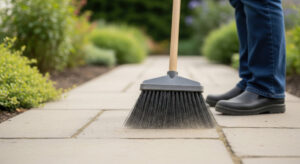
When the project is complete, do one final check of the surrounding area. Make sure debris is cleaned up, equipment is gone, sidewalks are clear, and any temporary disruptions have been resolved. It’s tempting to rely on the crew to complete these checks, but it won’t be the crew your neighbors give a cold shoulder to at the next community event. For your peace of mind, do a double check.
If neighbors were especially patient or helpful, thank them. They’ll remember how you handled the project when they’re conducting some of their own. Good neighborly actions on your end can set the tone for respect and communication when you’re the neighbor and it’s their project.
A home improvement project may be temporary, but neighbor relationships last much longer. A finished project is great, but you want to finish it without leaving behind resentment, ruts in the grass, or a neighborhood group chat under your name.
Home improvements enhance the whole community when they’re done with care. Communicate early, plan for the impact, respect shared spaces, and remember that good neighbors don’t just build better homes. They help build better neighborhoods.
continue reading
Related Posts
By late summer, even the most carefully maintained yard can look a little tired. Lawns lose some of their enthusiasm, flowering plants seem to be unable to keep up with the growing obsession with pumpkin spice everything, and everyone’s busy with back-to-school activities/traffic. With the kids back in school and summer vacations a mere memory, August is a great time to give your yard some attention, correct small problems, and prepare plants for the transition into fall, and the rainy season beyond. Check Your Irrigation When plants begin to droop or develop brown edges, the natural response is often to water more. But the problem may not be the amount of water but how the water is being delivered. Turn

A practical, hyperlocal playbook for Harbor Bay residents In Alameda, home value isn’t just about square footage and comps. It’s about how well a home weathers foggy mornings, salty air, and winter rain. It’s also about the neighborhood. When a community stays cohesive and cared for, every homeowner benefits.