
Summer is a season for road trips, amusement parks, beach visits, and taking it easy. But while you’re taking a break, identity thieves aren’t. And they know that when routines change, security habits often slip.
Identity theft happens when someone uses your personal information, such as your Social Security number, bank information, credit card number, or online login, without your permission.
While no one can prevent it completely because data breaches and scams are now part of modern life’s charming tech tradeoffs, but you can make yourself a much harder target.
And why would thieves go hard when there are so many easy opportunities for the taking?
9 Ways to Minimize the Potential for Identity Theft
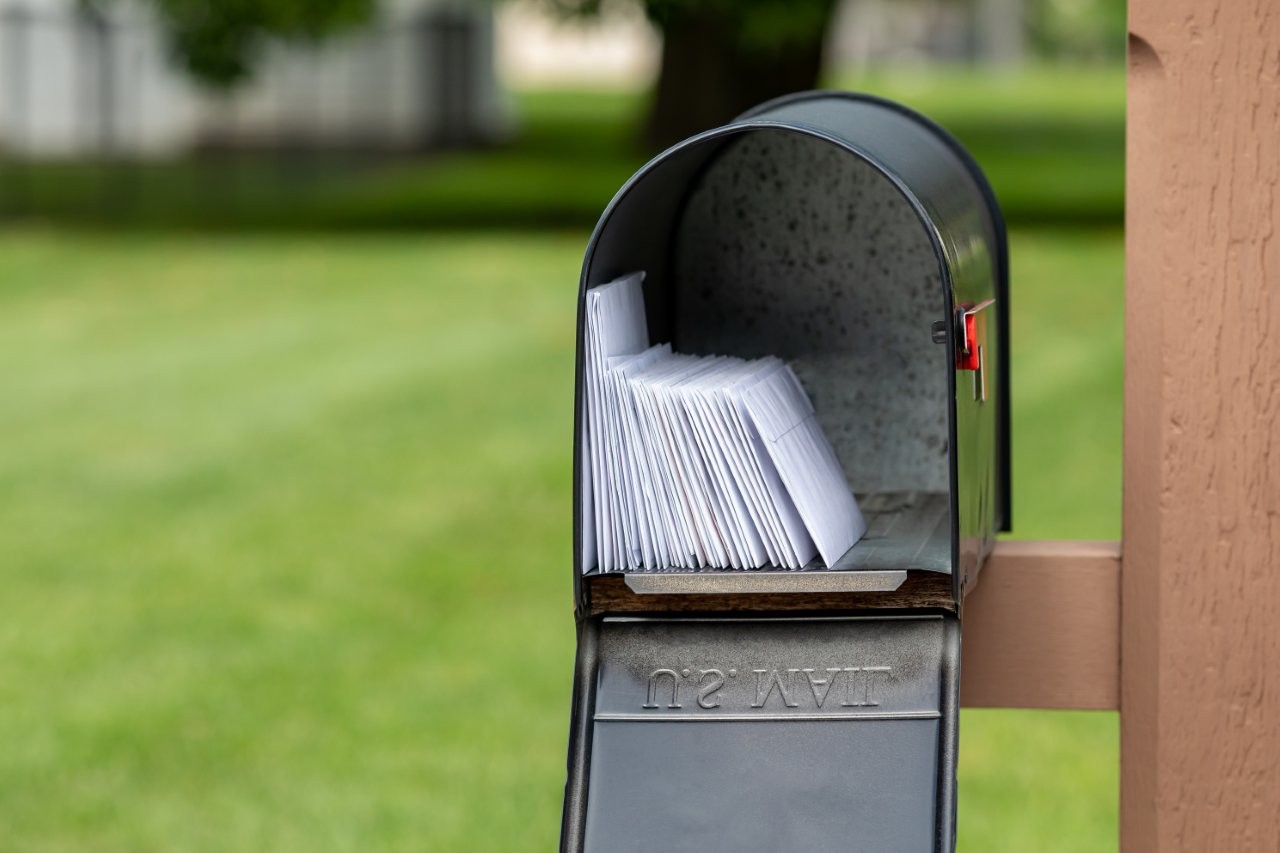
Start with your mail. Before leaving town, pause mail delivery or ask a trusted neighbor to collect it. A mailbox can include bank statements, medical notices, insurance information, credit card offers, or other pieces of your life that don’t belong in anyone else’s hands. Also, avoid leaving outgoing mail with checks or personal information sitting in an unlocked mailbox for pickup when you leave.
Pare down. Before a trip, look through your wallet. Remove extra credit cards, your Social Security card, Medicare card if it’s not needed, old receipts, and anything else that would make a thief’s day easier. Travel with only what you need. If your wallet is lost or stolen, fewer cards mean fewer calls, fewer freezes, and fewer headaches when you’d rather be finding the best local taco place.
Since we’re talking about holds and cancellations, make sure you have your credit card info and customer service lines for each card you’re bringing with you. Although this takes a few minutes, you’ll appreciate your extra efforts if your wallet is no longer in your possession. Most credit cards also allow you to communicate that you’re traveling either online or through customer service. This will keep your account from being flagged for fraud and alert the credit card company if something unusual posts.
Improve your online habits. Use strong, unique passwords for financial accounts, email, shopping sites, and travel apps. If one account is compromised (and we seem to get these alerts monthly these days), reused passwords can turn a problem with one site into a full-blown catastrophe impacting all your accounts.
Turn on multi-factor authentication whenever possible, especially for email, banking, credit card, and cell phone accounts. Your email’s often the front door to password resets, so treat it like the house key it is.
Skip public Wi-Fi. We know it’s convenient and cuts down on data charges but be careful with public Wi-Fi while traveling. Airport, hotel, café, and rental property networks should be saved for movies, sharing pics, and listening to music, not accessing banking apps or sensitive accounts. If you must access those types of critical accounts, use a secure connection. Better yet, use your cellular data for anything financial.
Also watch for look-alike Wi-Fi networks with names that seem close to the hotel or airport’s network. Scammers are very good at making fake things look almost real.
Freeze your credit. Credit protection is one of the strongest steps you can take. A credit freeze restricts access to your credit report, making it harder for someone to open a new account in your name. The Federal Trade Commission notes that credit freezes are free to place and lift, but you must contact each of the three major credit bureaus: Equifax, Experian, and TransUnion. A fraud alert is another free option that tells creditors to take extra steps to verify your identity before opening new credit.
Watch your accounts. Even though you’re enjoying some well-deserved rest and relaxation, you don’t want your accounts’ security to be on vacation too. Keep an eye on your accounts while you’re away. Turn on transaction alerts for bank and credit card accounts so you can spot suspicious activity quickly. Most credit cards have several potential fraud notification options. For example, you may be able to be notified every time a charge is made without your credit card being present or every time a charge over $X is made.
Review charges during your trip and again when you return. A $6 mystery charge may seem harmless, but thieves sometimes test accounts with small purchases before going bigger.
Use reputable travel sites. Summer travel also brings booking scams. When reserving vacation rentals, excursions, or discounted travel packages, use reputable sites, read the cancellation policies, and avoid pressure to pay quickly through wire transfer, gift card, cryptocurrency, or payment apps with little buyer protection. The FTC advises travelers to understand the terms before paying and notes that credit cards often provide stronger protections than debit cards, cash, or checks.
Shred, shred, shred. At home, shred documents with personal or financial information before tossing them. Old bills, medical statements, tax documents, bank records, and preapproved credit offers should not go straight into the trash. The FTC recommends shredding documents that contain personal and financial details.
We host free shredding events twice a year. Mark your calendar for these upcoming neighborhood shredding events. In the meantime, you can keep a small “to shred” box at home.
Saturday, June 27, 2026, from 9 AM – 12 PM, former CVS parking lot at the corner of Island Drive and Mecartney Road
Saturday, October 10, 2026, from 9 AM – 12 PM, Community Center Parking Lot
Monitor your credit report. Monitoring your credit report (at all three credit reporters) will remind you of open accounts you have that you no longer use as well as show you if someone has opened an account in your name.
If something feels wrong, act quickly. Unexpected bills, collection notices, credit denials, missing statements, unfamiliar charges, or accounts you didn’t open can all be warning signs that someone is pretending to be you.
What Can I Do If I think My Identity Has Been Stolen?
If you believe your identity has been stolen, report it at IdentityTheft.gov, which provides a recovery plan to help limit the damage and begin repairing your credit.
Identity theft prevention is about establishing smart habits before there’s a problem. While no one can guarantee you won’t become a victim of identity theft, these actions create a layer of protection that lets you enjoy summer (and rest of the year) with fewer worries.
And don’t forget about our upcoming June 27th shredding event.
continue reading
Related Posts
If you’re old enough to remember the TV show Bewitched, you probably remember the nosy neighbor Mrs. Kravitz. She was always spying on her neighbor from behind her curtain. While her character provided a lot of comic relief and was chided by her husband for doing so, the “Mrs. Kravitz” of the world can turn out to be a valuable community asset. You can’t build that kind of vigilance with brick, concrete, or even pretty landscaping. We’re not suggesting you should carry binoculars with you everywhere you go, but it is handy when neighbors notice when a package has been sitting on a porch for days, or when a neighbor usually walks their dog, or when the garage door has

Winter rain is great for thirsty soil, happy trees, and that gorgeous greenery. But it’s also the time when mushrooms pop up overnight. In Alameda (and the wider Bay Area), a few of those mushrooms are not just “don’t touch” dangerous, but genuinely life-threatening for people and pets. California health officials have reported a major spike in severe poisonings tied to wild mushrooms this season, including deaths and liver transplants. If you’re new to the area, a dog-walker, a backyard cat household, or you have curious kids who love the wonders of the outdoors, this is an important heads-up. Why You’re Seeing More Mushrooms Right Now Many toxic mushrooms thrive in moist, shady environments, especially where tree roots hold moisture. In the East