
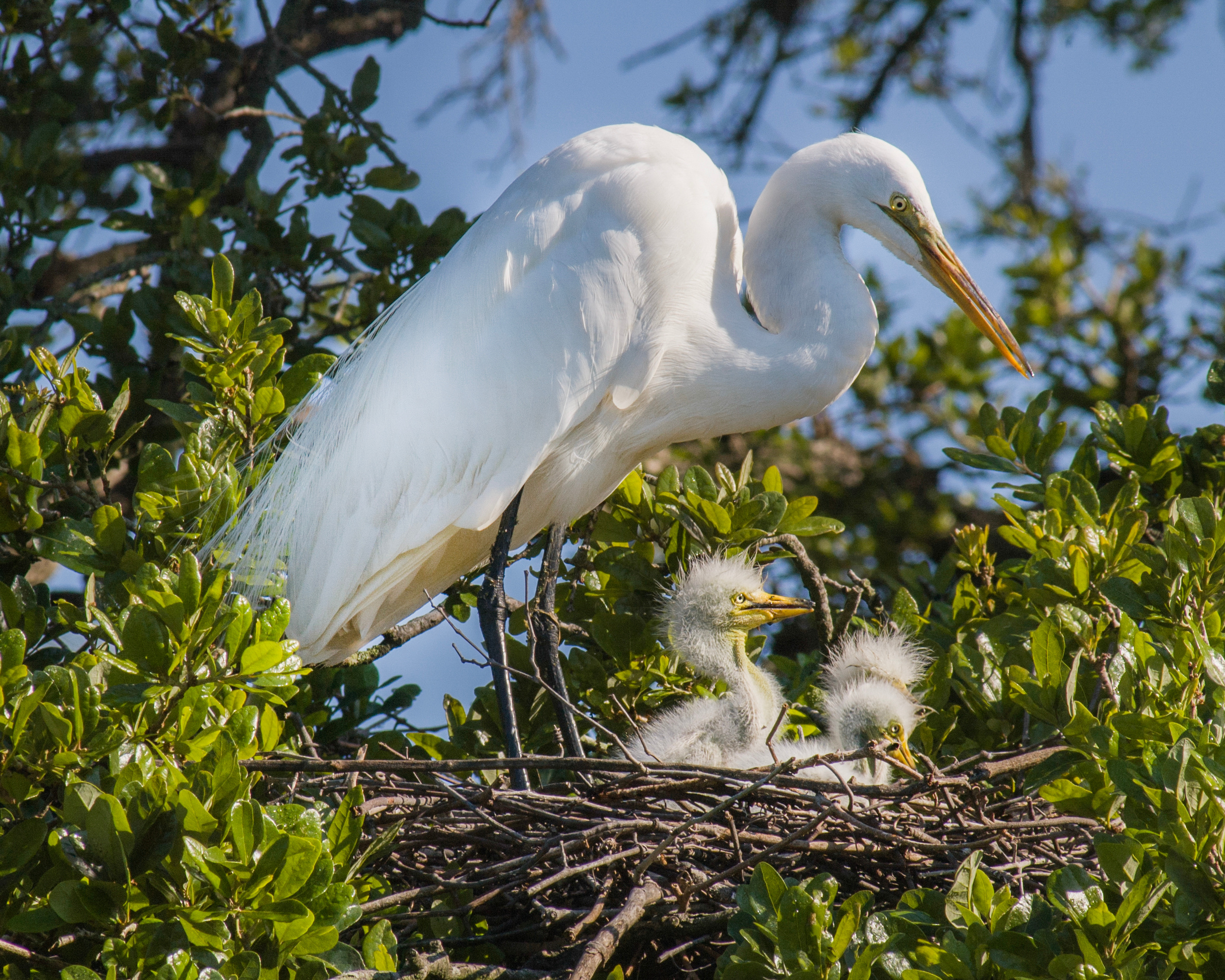
Spring is one of the most magical times to be outside in Harbor Bay. The weather softens, gardens wake up, neighbors reappear, and every walk seems to come with a view. But in Alameda, spring is also a sensitive season for wildlife, shoreline habitat, and the Bay itself. Living here means enjoying a beautiful setting and respecting the rhythms that come with it. Around Harbor Bay, that starts with remembering that we’re not the only ones using the outdoors this time of year. That’s part of what makes living here so special.
Here’s what you need to know to enjoy the outside while helping protect the very landscape and wildlife that make Harbor Bay feel like a sanctuary.
Nests, Not Noise
 One of the biggest spring considerations is tree work. Alameda’s own tree guidance notes that local trees provide nesting habitat for birds of conservation concern, including herons, egrets, and raptors. The City identifies nesting season as March 1 through September 1 and specifies tree work should be avoided on trees with active nests and within 200 feet of them. Just remember, if you are bothered by the saw noise, our avian neighbors will be too.
In Alameda, we’re keeping an eye out for the nests of Black-crowned Night Herons, Great Egrets, and Snowy Egrets. They’re part of the character of the Bay Area landscape, and spring’s when they need a little extra room to do what nature intended. Also, as a friendly reminder, we’re not just being neighborly at Harbor Bay. Disturbing active nests is prohibited under state and federal wildlife rules too.
If you’re planning pruning, major trimming, or tree removal in spring or summer, slow down and check first. A little patience now can help avoid a bigger problem later, for homeowners and wildlife.
That same mindset applies along the shoreline. We’re lucky to live near special places like Crown Beach and the Elsie Roemer Bird Sanctuary, where birds and marsh creatures depend on protected habitat. Crown Beach rules are clear: dogs may be on lawn areas and paved pathways, but not on the beach itself. East Bay Parks rules are broader still, prohibiting dogs in beaches, wetlands, and marshes.
That may feel strict until you remember what’s at stake. Sensitive Bay Area birds, including California Least Terns, breed from late April through August, and researchers cite human disturbance as one of the threats these species face. These birds just don’t think your pooch is as cute as you do. They see them as a predator, and that disturbs nesting.
We’re not making the outdoors feel off-limits. These laws are in place to help people enjoy nature without turning every pleasant outing into an accidental eviction notice for wildlife.
Enjoying Our Corner of the Bay
Spring also brings a reminder that nature and the public access need to share the same space carefully. Crown Beach access is usually limited during its annual sand moving operation, which is expected to be completed by the end of April, depending on weather and tides.
Local conditions can change quickly in spring. Before heading out, it’s worth checking current advisories, respecting fenced or posted areas, and keeping children and pets from wandering into sensitive zones.
Additionally, spring yard care matters more than many homeowners realize. Alameda County’s Clean Water Program reminds residents that storm drains flow directly into creeks, wetlands, and the Bay without treatment. That means litter, pet waste, car wash water, and garden runoff don’t disappear. They travel.
Local guidance recommends choosing native and drought-tolerant plants (less water means less runoff), using less-toxic pest control, and avoiding chemical applications before rain. The City of Alameda also encourages native gardens because they support pollinators and other species while using water more wisely.
Limiting Bugs That Bite
Mosquito prevention belongs on the spring checklist too. The Alameda County Mosquito Abatement District says mosquitoes can breed in as little as a bottle cap of water. That means birdbaths, flowerpot saucers, tarps, toys, buckets, clogged gutters, tree holes, leaky spigots, and neglected pools can become breeding grounds for these hungry pests.
But we can do our part by emptying containers, changing birdbath water at least weekly, fixing drips, clearing debris, and reporting persistent standing water. The District also offers services such as inspections and, in some cases, free mosquitofish. The enemy isn’t spring but the forgotten saucer behind the hydrangea because mosquitoes are very committed to their work.
Let’s All Enjoy the Peace
It’s always helpful in the spring to remind homeowners to reduce toxic pesticides and herbicides, use mulch and compost, consider drip irrigation, and install rain gardens or rain barrels where appropriate. These are the kinds of small choices that feel minor in the moment but add up in a community like ours.
Noise and light pollution affect wildlife, including nocturnal species and migrating birds. Spring’s a good time to revisit your property looking for blinding backyard lights, nonstop outdoor speakers, and anything else that turns a peaceful evening into a small-scale stadium event.
Getting the Necessary Help
 Finally, know what to do when wildlife needs help. The Community’s quarterly magazine, The Gull’s Call, includes local resources for reporting injured or distressed wildlife, including Alameda Police Dispatch and regional wildlife hospitals such as Lindsay Wildlife Hospital, Veterinary Emergency Group, and WildCare. Keeping those contacts nearby is a smart homeowner habit, especially in a community where wildlife sightings are part of everyday life. Remember, it’s unwise to approach an injured animal. Just as you don’t want to talk to anyone when you have a headache, that wounded creature probably isn’t looking for a cuddle.
Spring in Harbor Bay is lovely. But enjoying the outdoors means doing it with a little more awareness. Pause before trimming. Keep dogs where they’re allowed (and on leash). Garden with the Bay in mind. Dump standing water. Respect nesting season.
These small choices protect the beauty that makes Harbor Bay feel special. Good stewardship, where we all do our part, helps make this Island a wonderful home for people and nature alike.
continue reading