
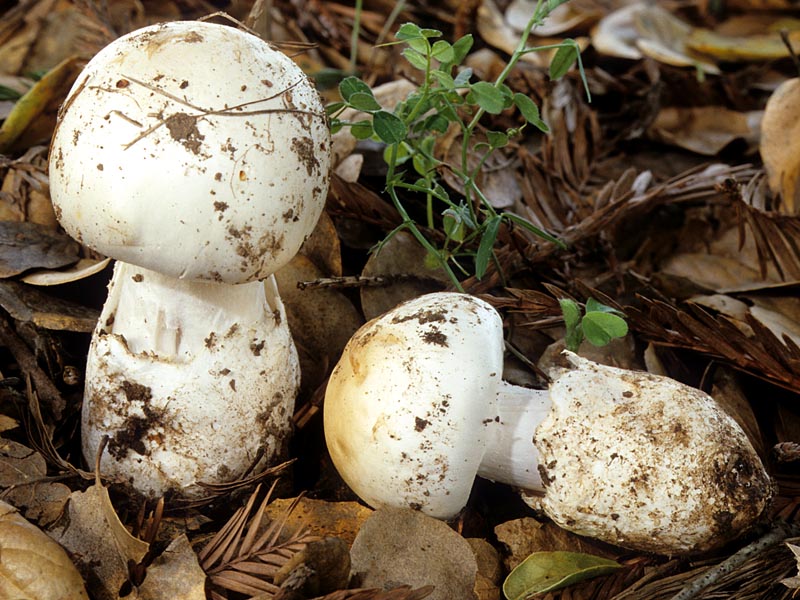
Winter rain is great for thirsty soil, happy trees, and that gorgeous greenery. But it’s also the time when mushrooms pop up overnight. In Alameda (and the wider Bay Area), a few of those mushrooms are not just “don’t touch” dangerous, but genuinely life-threatening for people and pets.
California health officials have reported a major spike in severe poisonings tied to wild mushrooms this season, including deaths and liver transplants. If you’re new to the area, a dog-walker, a backyard cat household, or you have curious kids who love the wonders of the outdoors, this is an important heads-up.
Why You’re Seeing More Mushrooms Right Now
Many toxic mushrooms thrive in moist, shady environments, especially where tree roots hold moisture. In the East Bay, that often means areas around oak trees and leaf litter, including park edges, medians, trails, and yes, sometimes even your own yard.
The Top Dangers in Our Area
You don’t need a degree in horticulture with a minor in fungi to stay safe. You just need to recognize the main threats and treat all wild mushrooms as inedible. Guesses like “this one looks safe” aren’t worth it. But, if you’re curious, here are the major culprits in recent poisonings:
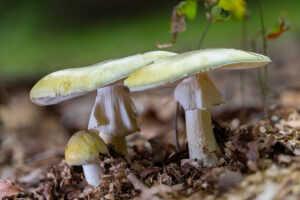
Death Cap (Amanita phalloides)
This one is responsible for many fatal mushroom poisonings, and it’s a major concern in Northern California, recently killing three (as of this writing) and causing liver damage in several people, including children. According to the Los Angeles Times, 2026 has seen one of the largest outbreaks in recent years.
The Death Cap often appears after fall and winter rains and is sometimes mistaken for safe mushrooms because of its appearance and taste. A mushroom’s color is never a reliable way of detecting its toxicity. Additionally, it can be deadly whether it’s consumed raw or cooked. You cannot make it safe for ingestion.
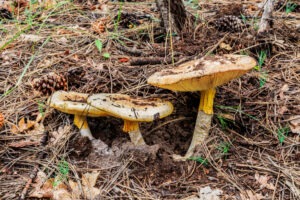
Western Destroying Angel (Amanita ocreata)
Often described as creamy white, this mushroom contains lethal amatoxins and typically fruits from late winter into spring. It’s strongly associated with oaks and is common enough that the East Bay Regional Park District issues seasonal warnings about it. Just because a mushroom is found on public lands does not mean it is safe to consume. Public lands are parks, not farms.
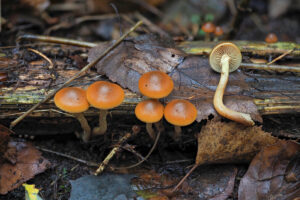
Deadly Galerina (Galerina marginata)
These small brown mushrooms are deceptive. Despite their size, they contain the same class of toxins (amatoxins) that can cause severe organ damage.
California Poison Control has included warnings about wild mushrooms broadly because visual identification is tricky and mistakes are common.
But, I…
With amatoxin-containing mushrooms cooking, freezing, or drying does not neutralize the toxins. You can’t wash them off.
The safety rule is simple: don’t eat wild mushrooms. Not from parks. Not from your yard. Not from a “my neighbor says it’s fine” source.
Signs of Poisoning (and why you shouldn’t “wait and see”)
One of the biggest differences between surviving a toxic mushroom and dying from it is the timeline. Understanding/diagnosing it early (whether in pets or humans) is essential to survival.
Early signs include:
- severe stomach cramps
- vomiting
- diarrhea
What’s misleading is that symptoms may fade after the initial digestive problems, giving a false sense that things are improving. However, serious liver damage can still develop.
If you suspect ingestion by a person or pet, treat it as urgent. Do NOT “wait and see.”
A Quick Note for Foragers
Even experienced foragers make mistakes, and this season has been especially severe. The California Department of Public Health reported 35 cases of accidental poisoning as of January 6, 2026, including three deaths and at least three candidates for liver transplants tied to these mushrooms. Bottom line: this is not the year to try foraging.
Also, if you’re in East Bay Regional Park District parks, mushroom collecting is prohibited, and the Park District strongly encourages visitors to enjoy fungi like you would wildflowers: look, photograph, and leave them be.
Pet-Parent Safety: Yard and Walks
Pets don’t read warning signs. They also sample things at ground level and there’s a quick moment between a sniff and an item in their mouths. That’s why prevention is better than reaction.
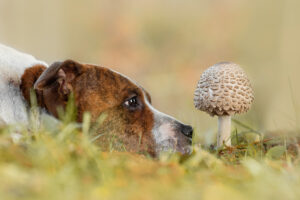
On walks:
- Keep dogs on leash in damp, shaded areas, especially near oaks and heavy leaf litter.
- Practice a solid “leave it” command with your pup.
- Avoid letting dogs sniff and graze in landscaped park edges, particularly right after rain.
- Watch your dog, not your phone.
In your yard:
- Scan your yard after rain and storms, especially along fences, under trees, and in mulched beds. Mushrooms pop up quickly. What wasn’t there yesterday, can be there today.
- Remove mushrooms promptly using gloves or a bag as a barrier. Place them in a sealed bag and dispose in the trash.
- Keep pets away from the area until you’ve cleared visible growth. Mushrooms can pop back up.
If you’re not sure whether something is a poisonous mushroom or just regular fungi, assume it’s poisonous. Erring on the side of caution is critical to the health of your liver and your pet’s.
If You Suspect Exposure, Call
For people: California Poison Control at 1-800-222-1222 (free, expert, and confidential). (California Poison Control System)
For pets: ASPCA Animal Poison Control at (888) 426-4435 (a consultation fee may apply). (ASPCA)
If anyone collapses, has trouble breathing, seizes, or cannot be awakened, call 911 immediately.
If you can, take a photo of what was eaten or bring a sample in a sealed bag for identification, but do not delay getting help. Don’t be misled if the person’s or animal’s symptoms seem to be subsiding. There’s still a potential for liver damage.
The Community Takeaway
After rain, Alameda gets greener, softer, and more beautiful, but this season’s outbreak is a reminder that “natural” doesn’t always mean “safe,” especially for kids and pets who explore with their mouths.
These mushrooms shouldn’t keep you from enjoying our beautiful area, but they should give you a new respect for nature.
continue reading